

Finding the best content syndication platforms is one of the smartest ways to multiply your website traffic, build brand authority, and reach new audiences without creating content from scratch. Instead of letting your high-value blog posts sit unseen after publishing, content syndication republishes your existing articles on high-authority third-party websites, driving consistent referral traffic back to your original domain.
In this guide, we will break down the top free and paid syndication networks, explain how to protect your search engine rankings from duplicate content issues, and show you how to choose the right distribution channels for your business.
What Is Content Syndication and Why Does It Matter?
Content syndication is the process of republishing your original blog posts, videos, or infographics on external websites. These third-party platforms either republish the entire piece or feature a summarized excerpt with a direct link back to the original article on your website.
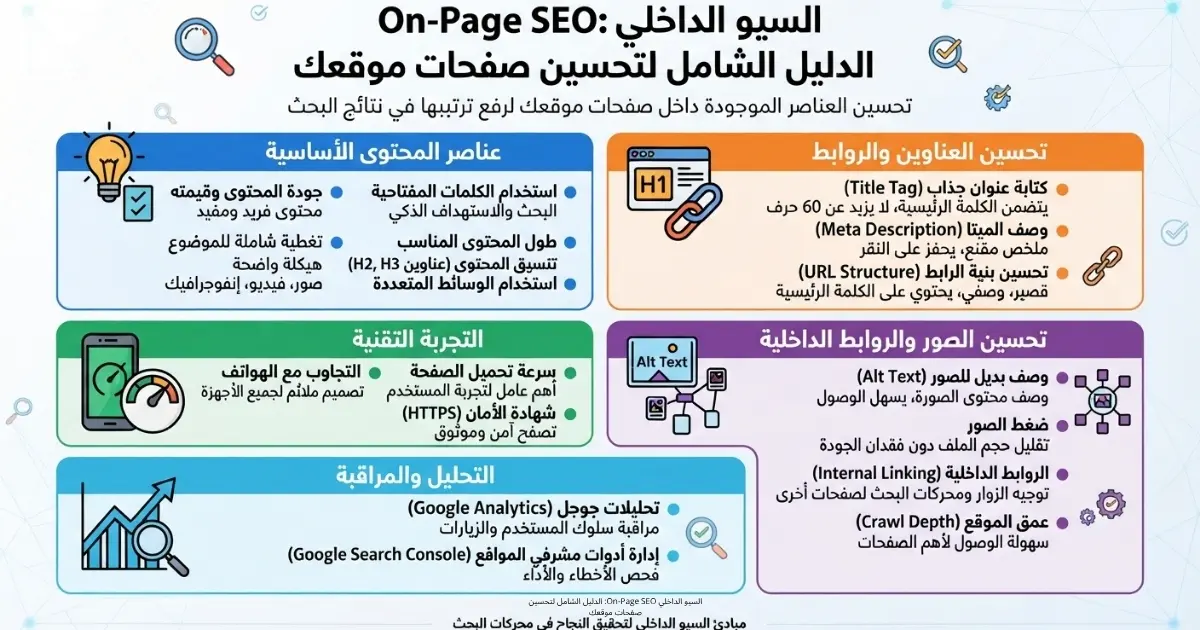


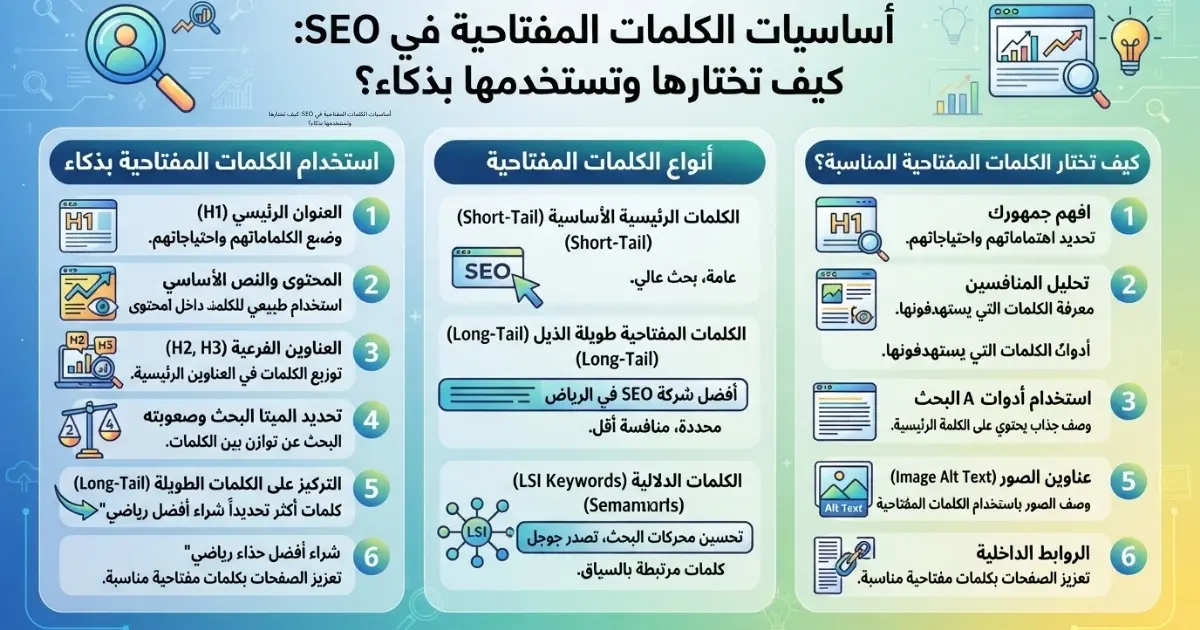
For marketers and technical bloggers, syndication delivers three core benefits:
Read Also:
Content Management Platform: Complete Guide to Types, Features, and Top Options
- Expanded Audience Reach: You tap into massive, established reader bases that might never find your site through traditional search alone.
- Cost-Effective Lead Generation: You maximize the return on investment (ROI) of every article you write by extending its lifespan across multiple channels.
- Increased Brand Authority: Seeing your insights featured on reputable industry platforms builds immediate trust with potential clients and readers.
Top Free and Organic Content Syndication Platforms
If you are looking to scale your traffic without an advertising budget, organic platforms allow you to republish and distribute your articles directly to engaged communities.
1. LinkedIn Publishing
LinkedIn is the premier network for B2B marketers, professionals, and industry leaders. Using LinkedIn’s native publishing tool (LinkedIn Articles) or newsletters, you can republish your top-performing blog posts to reach decision-makers directly in their feed.
- Best For: B2B technology, marketing, leadership, and career-focused content.
- Pro Tip: Publish a condensed version or key takeaways on LinkedIn, and include a clear call-to-action (CTA) linking to the full guide on your website.
2. Medium
Medium is a powerhouse publishing platform with high domain authority and an active readership that values in-depth, well-written articles. It features a built-in Import a Story tool that makes syndication effortless.
- Best For: Long-form tutorials, thought leadership, tech insights, and storytelling.
- SEO Advantage: Medium’s import tool automatically adds a canonical tag pointing back to your original URL, protecting your search rankings.
3. Reddit
While not a traditional republishing site, Reddit functions as a massive syndication engine when used correctly. By sharing tailored summaries, case studies, or insights within relevant subreddits—and linking to your full resource when appropriate—you can drive surges of highly targeted traffic.
- Best For: Niche communities, tech reviews, software tutorials, and data-driven discussions.
- Pro Tip: Focus on providing genuine value in the post body first; avoid dropping bare links without context.
4. Flipboard
Flipboard curates articles into digital magazines based on user interests. By creating your own Flipboard profile and curating your blog posts into topic-specific magazines, your content gets surfaced to millions of mobile readers browsing their daily feeds.
- Best For: Visual content, news updates, lifestyle, and trending tech topics.
5. Quora Spaces
Quora allows you to create dedicated “Spaces” around your niche. You can syndicate snippets of your articles as answers to relevant user questions or publish full posts inside your Space to capture high-intent searchers.
- Best For: How-to guides, problem-solving articles, and educational content.
Best Paid Content Syndication Platforms (Native & B2B Networks)
When you are ready to invest in guaranteed reach and targeted B2B leads, paid syndication networks place your content in front of specific demographics at scale.
6. Outbrain
Outbrain is one of the largest native advertising and content discovery networks. It places your syndicated articles as “Recommended Reading” widgets on major news and media websites like CNN, BBC, and The Washington Post.
- Best For: High-volume brand awareness and driving broad consumer or business traffic.
7. Taboola
Similar to Outbrain, Taboola partners with top global publishers to display your content at the bottom or side of high-traffic articles. Its algorithmic targeting helps match your content with readers most likely to engage.
- Best For: Top-of-funnel traffic acquisition and scalable content promotion.
8. NetLine
NetLine is the largest B2B content syndication lead-generation network. Instead of just driving clicks, NetLine distributes your gated content (whitepapers, eBooks, and deep-dive reports) across thousands of industry-specific sites and delivers verified leads filtered by job title, company size, and industry.
- Best For: Enterprise B2B companies looking for qualified sales leads rather than just pageviews.
9. TechTarget
If your website covers enterprise IT, software, cybersecurity, or cloud computing, TechTarget is the gold standard. It syndicates technical content directly to active IT buyers researching specific software purchases.
- Best For: Enterprise technology vendors and B2B SaaS marketing teams.
Comparison of the Best Content Syndication Platforms
| Platform | Pricing Model | Primary Audience | Canonical Tag Support | Best Use Case |
|---|---|---|---|---|
| Free | B2B Professionals | Manual / Link-back | Thought leadership & B2B networking | |
| Medium | Free | General & Tech Readers | Automatic (via Import Tool) | Long-form articles & organic discovery |
| Free | Niche Communities | Link-back | Community engagement & viral traffic | |
| Outbrain | Paid (CPC) | Broad & Publisher Audiences | N/A (Direct Traffic) | High-scale content discovery |
| NetLine | Paid (CPL) | B2B Decision Makers | N/A (Lead Capture) | Gated B2B lead generation |
How to Protect Your SEO When Syndicating Content
A common concern when using even the best content syndication platforms is whether Google will penalize your site for duplicate content. Google does not penalize syndicated content, provided it knows which version is the original source.
Follow these three rules to keep your WordPress SEO safe:
- Wait for Google to Index Your Original Post First: Never syndicate an article the exact minute you publish it. Wait a few days and check Google Search Console to confirm your original URL is indexed first.
- Insist on the
rel="canonical"Tag: Ensure the syndicating platform adds a canonical tag in the HTML header pointing back to your original URL. If you use Rank Math on WordPress, your original post already has a self-referencing canonical tag set automatically. - Include a Direct Attribution Link: If a platform does not support canonical tags, add a clear line at the top or bottom of the syndicated post stating: “This article originally appeared on [Your Website Name]” with a direct hyperlink to the source URL.
Leveraging the best content syndication platforms transforms your content strategy from a single-channel effort into a multi-platform growth engine. Whether you start by republishing tutorials on Medium and LinkedIn, engaging niche audiences on Reddit, or scaling B2B leads through NetLine, consistent syndication ensures your best work reaches the widest possible audience while strengthening your overall digital footprint.