Platforms
Explore digital platforms, their types and real-world examples, and discover how digital technologies help businesses connect, collaborate, and grow.
-

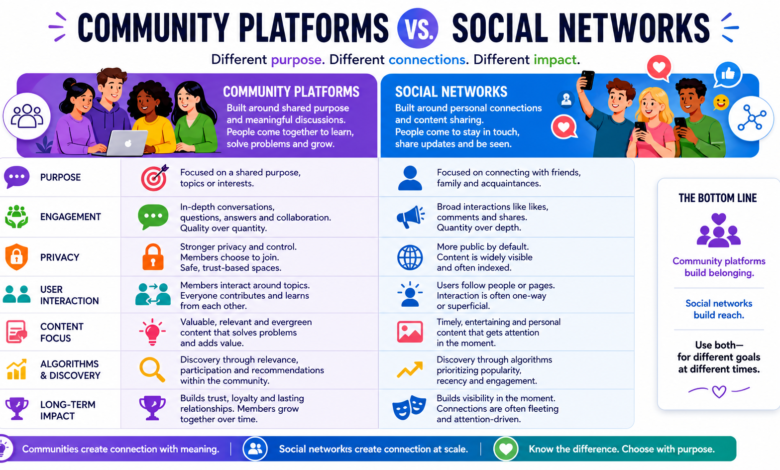
Community Platforms vs. Social Networks: Key Differences and Examples
Community platforms vs. social networks is an important comparison for understanding how digital platforms bring people together online. Although both types of platforms help users communicate, share information, and build relationships, they serve different purposes. Social networks generally focus on connecting people through personal profiles, friends, followers, and content feeds, while community platforms are designed to bring people together around…
Read More » -
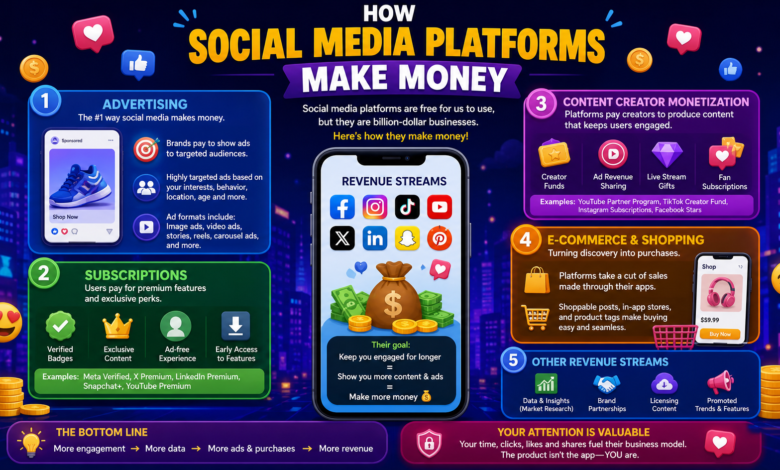
How Social Media Platforms Make Money: Advertising, Subscriptions, and More
Social media platforms make money through several business models, including advertising, subscriptions, premium features, creator-related services, and commercial partnerships. Although many platforms allow users to create accounts and access basic features for free, operating these services requires substantial investment in technology, infrastructure, security, content moderation, and product development. Revenue models help platforms cover these costs while continuing to attract users,…
Read More » -
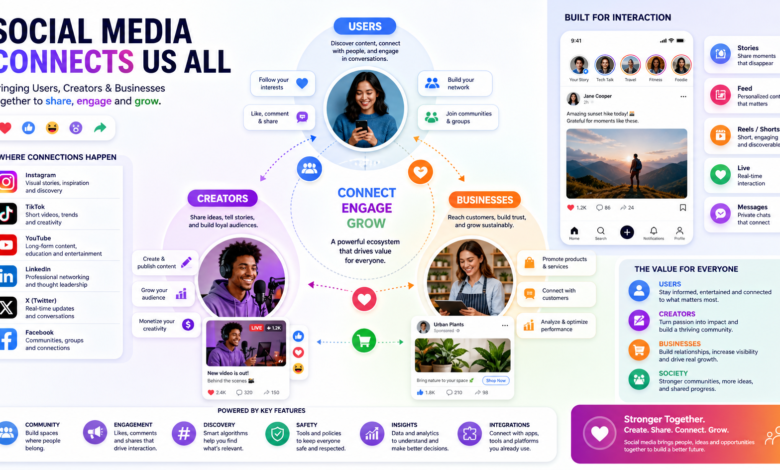
How Social Media Platforms Connect Users, Creators, and Businesses
Social media platforms connect users, creators, and businesses by providing digital spaces where people can communicate, discover content, share information, and build relationships. These platforms bring different groups together through publishing tools, recommendation systems, messaging features, online communities, and interactive content. As a result, a single platform can help users find useful information, enable creators to reach audiences, and allow…
Read More » -
Social Networking vs. Social Media Platforms: What’s the Difference?
Social networking vs. social media platforms is a common comparison because the two terms are often used interchangeably, even though they describe different aspects of online interaction. Social networking focuses primarily on building and maintaining relationships between people, while social media platforms provide digital spaces where users can create, publish, share, and discover content. Many modern platforms combine both functions,…
Read More » -
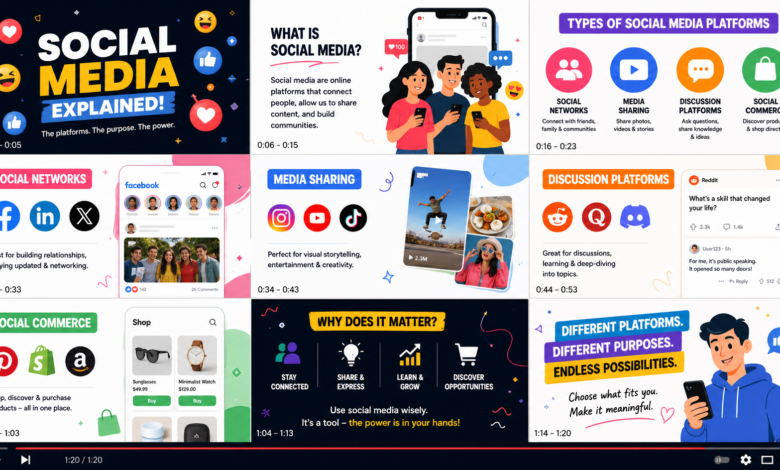
What Are Social Media Platforms? Types, Examples, and Uses
Social media platforms are digital services that allow people, businesses, creators, and organizations to communicate, share content, build communities, and interact online. From sharing personal updates and watching short videos to promoting products and managing customer relationships, social media platforms have become an important part of how people connect and how businesses reach their audiences. Understanding what social media platforms…
Read More » -
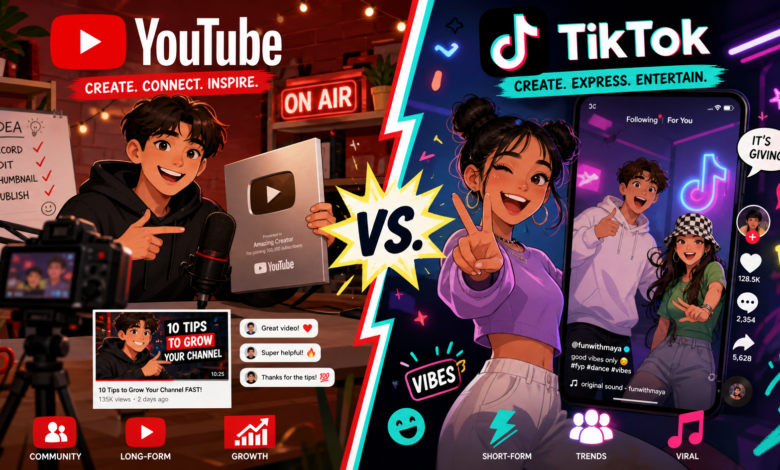
YouTube vs. TikTok: How Two Major Content Platforms Work
YouTube vs. TikTok: How Two Major Content Platforms Work / YouTube and TikTok are two major content platforms that help creators reach audiences, distribute videos, and build digital businesses. Although both services rely heavily on video, they differ in how users discover content, how creators develop an audience, how videos are presented, and how monetization opportunities work. Understanding these differences…
Read More » -
How Content Creators Make Money on Digital Media Platforms
Digital media platforms have created new ways for content creators to earn money by turning their knowledge, creativity, and audience relationships into potential sources of income. Writers, video creators, podcasters, educators, and digital publishers can use these platforms to generate revenue through advertising, paid subscriptions, sponsorships, affiliate marketing, and direct sales. However, the way creators make money varies significantly depending…
Read More » -
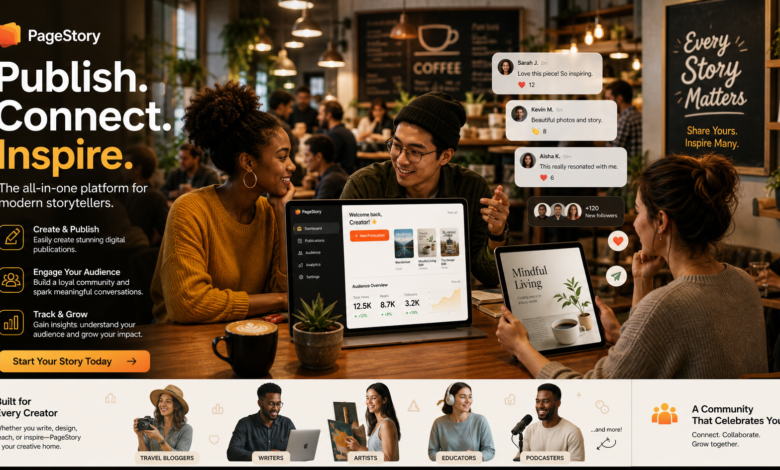
How Digital Publishing Platforms Help Creators Reach Audiences
Digital publishing platforms help creators reach audiences by providing the tools needed to publish, distribute, promote, and monetize digital content across the internet. From independent writers and journalists to bloggers, educators, and professional publishers, creators can use these platforms to make their work accessible to readers around the world without relying entirely on traditional media companies. However, publishing content online…
Read More » -
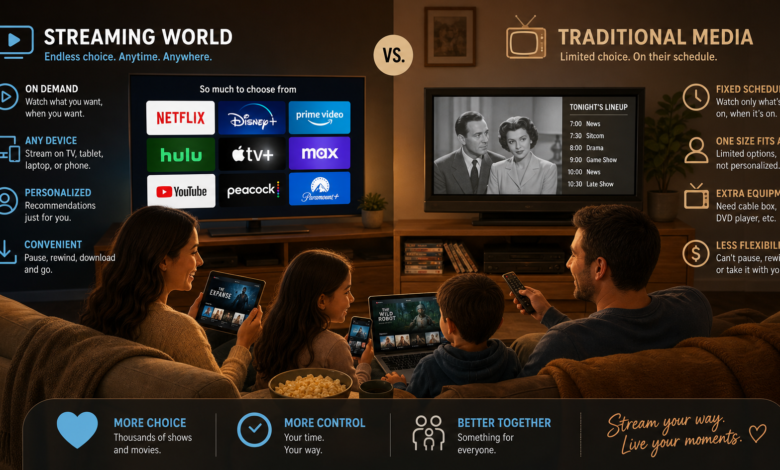
Video Streaming Platforms vs. Traditional Media: Key Differences
Video streaming platforms vs. traditional media is an important comparison for understanding how digital technology has changed the way people watch entertainment, follow news, and access information. Traditional media relies on established distribution methods such as broadcast television and cable networks, while streaming platforms deliver video content over the internet, often allowing viewers to choose what they watch and when…
Read More » -
What Are Content Platforms? Types, Examples, and How They Work
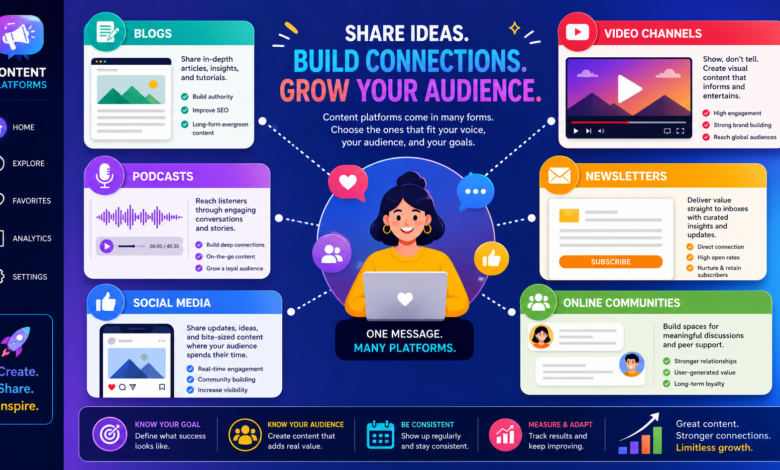
Content platforms are digital environments that allow people and organizations to create, publish, distribute, discover, and consume digital content. They support different formats, including videos, articles, images, podcasts, music, and live streams. Some platforms focus on user-generated content, while others specialize in professional publishing, entertainment, or digital media distribution. From YouTube and TikTok to Medium and Spotify, content platforms have…
Read More »